Finding the Hidden Microclimates in Your NZ Garden
- rosaallen
- 6 days ago
- 7 min read
Updated: 5 days ago

Making the most of one of the sunniest spots in our garden to grow sun loving perennials and annuals.
This season (2025-26) has been one of the most challenging growing seasons since I started growing cut flowers to sell a decade ago. Unpredictable conditions, wildly fluctuating temperatures, stormy plant flattening winds, hail, and a wet, wet summer have all wreaked havoc.
Trying to find a silver lining, I've realised it has helped me better understand the plants I grow and the range of conditions they can tolerate. It has also got me thinking about how strongly plant health and productivity are tied to choosing the right place in the garden. The secret to a productive and beautiful cut flower garden isn't fighting your site, it's understanding it.
Even the most “challenging” garden has hidden opportunities. These are your microclimates—small areas within your garden where conditions differ from the overall environment. Once you learn to spot them, you can match the right plants to the right place and create a thriving cut flower garden, even on a less-than-ideal site.




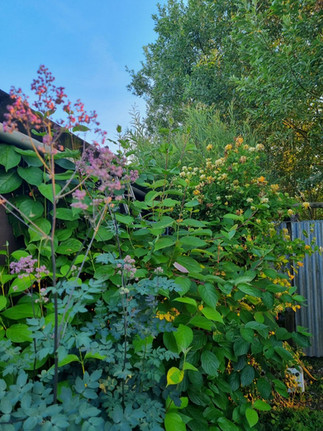
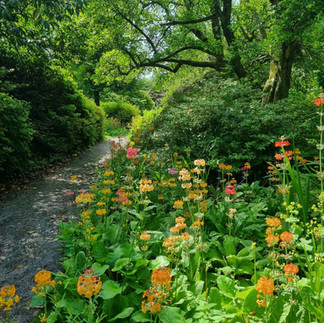
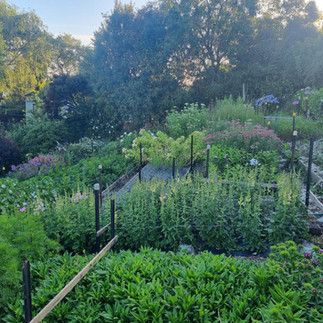
Three images of productive areas of Maytrees Garden. None of these are the ideal location to grow the majority of cut flowers - especially sun loving annuals that spring to mind when most people think of cut flower gardens. Our section is steep, Eastern facing, shady and heavy clay, but by working on the soil, using terraced beds to improve drainage and careful plant choice to suit different parts of the garden, it is a highly productive cut flower garden.
What is a Microclimate?
A microclimate is simply a pocket within your garden that has slightly different conditions—warmer, cooler, wetter, drier, more sheltered, or more exposed—than the surrounding area.
In New Zealand gardens, these differences can be quite pronounced thanks to:
Exposure to wind (especially the cold south westerlies here in Dunedin), frost, and coastal influences
Shade from buildings, trees or the topography of your site
How water moves through your site, influenced by it’s slope and drainage (or lack of it)
Variations in soil types that affect drainage and soil fertility
By observing these subtle variations and identifying the different microclimates in your garden, you can work with them rather than against them. Those awkward corners can become opportunities to grow a wider range of flowering perennials and enjoy a greater diversity of blooms throughout the season.
How to Identify Microclimates in Your Garden
There is an old adage about starting a new garden, that it is best to wait a year before you make any major changes so you can get acquainted with its idiosyncrasies. Though I could never wait that long to get stuck in, it is a really good idea to take the time to learn your garden and embrace its microclimates. Spend some time in your garden and watch how the weather affects it, how the seasons change it, what the soil is like in different areas and how the water runs and drains across your site.


From the left: 1. Within this beautifully kept small walled garden are so many microclimates; against the south facing house it is hot and dry (this is my Grandparents garden in the UK), the tall walls and leafy trees and shrubs create a cooler shady nook at the far end, while in the centre is a small wildlife pond surrounded by waterside plants. 2. This wild child filled space, is our front garden, on our steep eastern facing section. In the summer it is a sun filled spot most of the day with dappled shade thrown by the Cherry blossom tree, who's roots suck up a lot of the moisture from this garden. In the dead of winter however, due to the eastern facing nature and the trees above us, it only receives a few hours of partial sun and is rather damp. 3. This is the mature family garden at Maytrees, next door to us. It sits on a terrace on the eastern facing slope, and due to beautiful mature trees, heavy clay soils it has low winter sun and lots of lush damp areas. Large macrocarpa hedges enclose the garden and protect it from the raging southerly winds, creating a woodland oasis.
Here are some pointers to think about when evaluating your gardens microclimates:
Exposure
Keep an eye out for where plants get battered by wind in your garden. Does it funnel down an opening or around the side of the house? Where would benefit from some wind break fencing or a shelter planting? Are there areas that are sheltered and warm enough around the northern eaves of your house, or under some trees that dodge the frost? You can find some great climatic information for your area via NIWA. Many tall herbaceous perennials need support no matter what, but finding the right place to put them will minimise damage.


From the left. 1. Up against a sunny house wall these daisies get reflected heat, shelter, and a drier spot under the eves . 2. Stone walls absorb and radiate heat back to nearby plantings. 3. A sheltered North facing, dry and sunny garden. 4. A fence creates a great spot for climbers, such as this Clematis, and fences and hedges provide a surprising amount of shelter and shade. 5. Kerria japonica takes advantage of the shady sheltered spot against this wall. 6. A shady nook behind a house and under some willow trees.
Light levels
This is one of the biggest determinants of plant success - which makes sense as light is their energy source! There is also interplay between light and moisture levels. Sun loving plants in shaded areas are prone to fungal issues and shade loving plants in sun, can get leaf burn and dry out to rapidly. Getting your head around this can be tricky, I had to research to get this straight in my head before writing it down! You will learn how your site matches up with the needs of various plants through experience as you go along, but as a rule of thumb:
Full Sun: 6+ consecutive hours of direct sun in the growing season
Part Sun/light shade: 4-6 hours of sun throughout the day. Still gets some heat.
Part Shade: 3–6 hours of direct sun. This could be 2 hours in the morning and 2 hours in the afternoon, but with less heat and midday sun.
Full Shade: Less than 3 hours of direct sun or filtered/dappled sun.
Look where the sun hits throughout the day in your garden and how this changes throughout the seasons.





From the left: 1. A full sun spot in the Somerset countryside, UK. 2. A shady woodland spot at Furzey Garden in Devon, UK. 3. Maytrees Garden gets limited winter sun due to its Eastern orientation, and the lower angle of the sun in winter. This means it is damp in winter and fungal growth can be a problem on plants that need higher light levels, that are stressed by a lack of light.
Moisture Levels
Again keep your eye out for areas where water pools when it rains, or in the case of my field, where it runs in a river. Often even gentle variations in topography can affect the moisture levels in your garden and where water flows.
Things we can't see below ground, like the old concrete foundations under the soil or the excess hardcore from your neighbors driveway construction, can have significant effects on drainage.


From the left: 1. A wetland creates a riparian zone for planting, with seasonal rise and fall of the water and damp surrounding areas. 2. Low areas in a garden can have seasonal standing water and limited drainage. 3. Urban planting areas often face challenges due to soil disturbance, compaction and drainage issues. This is often mitigated by the use of raised beds and imported top soil. Wind can often funnel down streets between buildings in urban areas.
Soil
Check out your soil type—clay, loam, sandy soil, or a combination of all three?
Soil type affects nutrient availability, but also moisture levels drastically; where heavy clay can cause water pooling, sandy soil can require regular irrigation.
But never fear, the addition of organic matter will help mitigate the effects of either soil extreme over time - that’s why compost and mulch are your best friends in any garden.



From the left: 1. Another example of a raised bed in a urban area to mitigate compaction and drainage issues. This site in downtown Wellington also is overshadowed by high-rise buildings, which limit light and create wind tunnels. 2. Raised beds are often used to create areas of better drainage. 3. This bank above our driveway, was left as hard scraped clay after the driveway excavation, and it has taken me years to establish clay tolerant species in this shade tolerant patch. 4 & 5. Road side garden beds often have compaction issues or consist of gravel hardcore, making it dry and hard for roots to penetrate. In sunny spots the pavement absorbs and radiates heat back increasing the temperature. 6. In the flower field at Maytrees I found it easier to add organic matter to amend the heavy clay soils, by creating terracing, which also improved the drainage issues of the clay (check out my previous blog post Lessons from our Flower Field.
Build a Cut Flower Garden That Works With Your Site
Once you understand your site, you can work with it and mitigate some of the extremes you face in order to create the right environment for a successful flower garden; add compost and fertiliser and mulch, drainage pipes, a shelter belt of shrubs or remove that tree that shades your prime planting area - it is all up to you. It also gives you the knowledge to begin choosing the right plants for your site—it's all about smart placement. By choosing a variety of cut flower perennials and spreading your plantings across different microclimates that suit them, you’ll:
Extend your flowering season: for example, many spring flowering plants prefer part shade and sheltered woodland areas.
Reduce plant losses while increasing plant health and productivity when plants thrive in their ideal environments.
Get a wider diversity of stems for arranging.
Create a more resilient, lower-maintenance garden that can better cope with the increasingly unpredictable weather many of us are experiencing.



From the left: 1. Unexpected microclimates created by a stone wall. 2. Creating new microclimates with a caterpillar tunnel to extend our cut flower season. 3. Pergolas create their new microclimates by providing structure for climbers and shading the areas below.
In later blog posts I'll be taking a closer look at some of the most common garden microclimates and sharing my favourite perennial cut flowers for each one. and dry windy sites to damp ground and part-shade borders. If you would like some idea of what we grow here at Maytrees garden and information on what microclimates they, prefer take a look at our perennial plant shop. Every garden has its challenges, but with careful planning we can see these as opportunities!


Comments